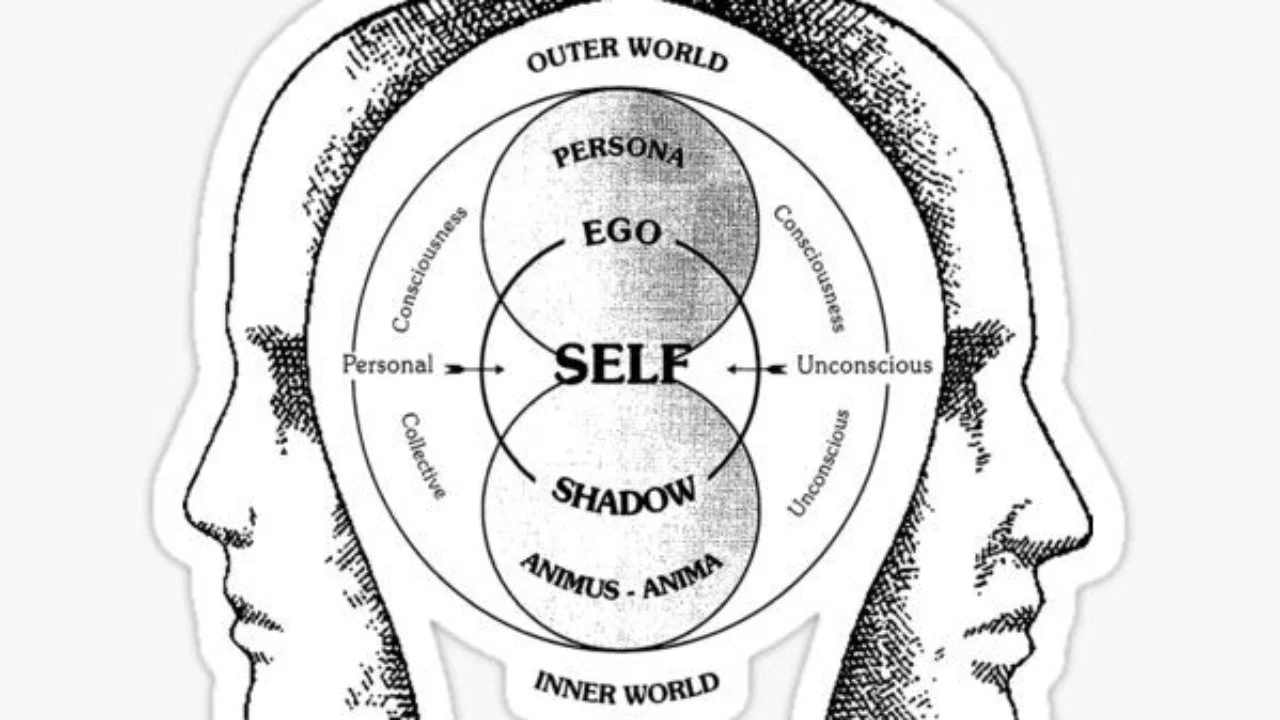
A Gentle Introduction to Jungian Psychology.
Jungian psychology was developed by Carl Gustav Jung, a Swiss psychiatrist who lived in the early 1900s. Jung was fascinated by dreams, symbols, stories, and the deeper layers of the human mind. He believed that our inner world speaks to us through images and feelings, not just through logic or reason.
Although Jung began his career working closely with Sigmund Freud, he soon followed his own path. He became interested in how people grow throughout their lives, how we find meaning, and how universal patterns called archetypes appear in dreams, myths, and everyday life.
Over the years, Jung’s ideas inspired a whole community of therapists, writers, and scholars. Jungian psychology is now practiced around the world and continues to evolve as new research and new voices join the conversation.
At its heart, Jungian psychology is about understanding yourself more deeply and discovering the unique story your life is trying to tell.
COSTS: £50 per session (60 minutes).
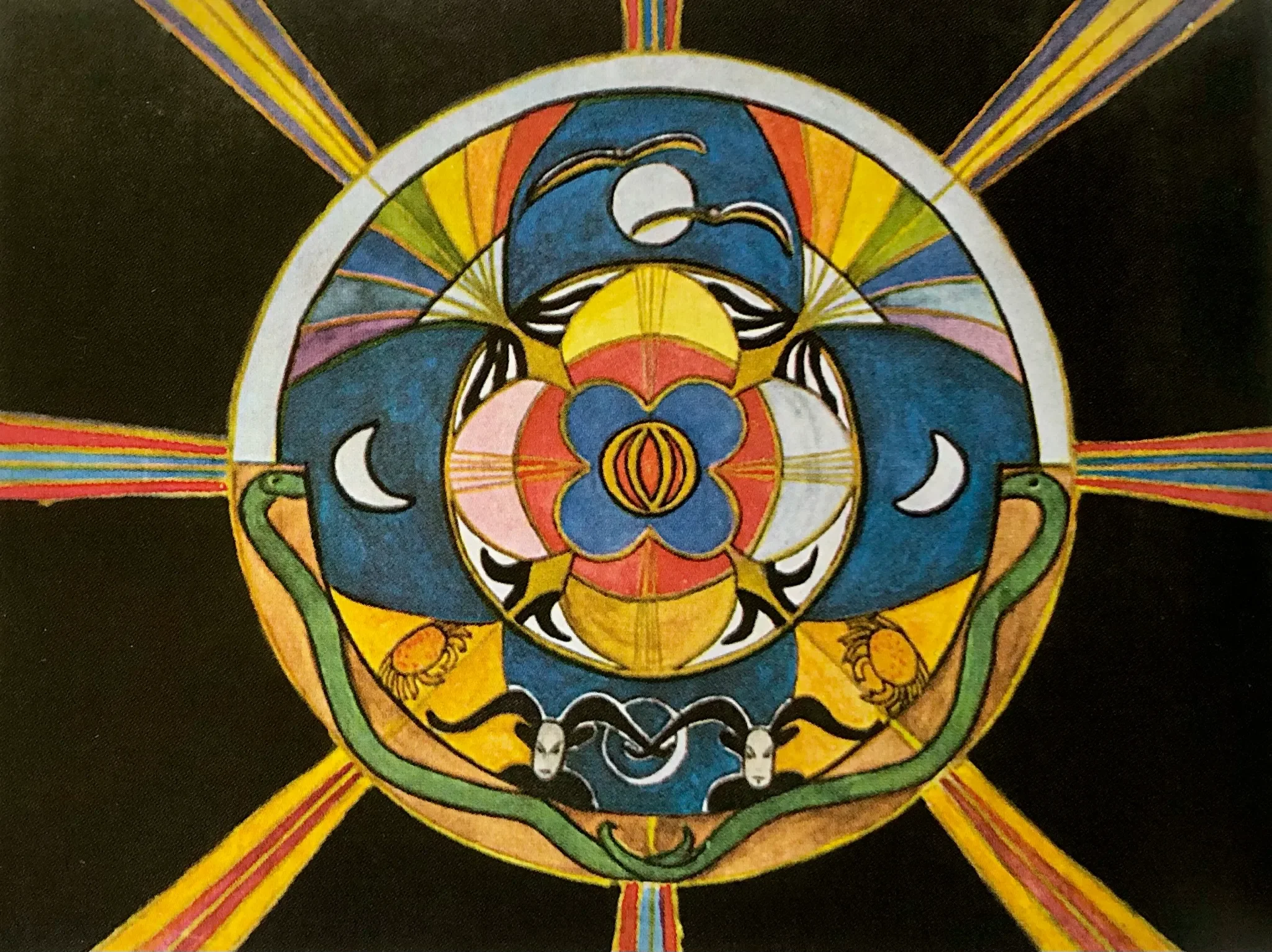
How Jungian Psychology Works
Jungian analysis is a gentle and exploratory way of understanding your inner world. It focuses on the idea that every part of you—your thoughts, feelings, dreams, worries, strengths—has something meaningful to say.
Here’s what makes this approach special:
• A Conversation With Your Inner Self- Jung believed that inside each of us is a rich inner world full of symbols, memories, and intuitive wisdom. Therapy helps create a space where you can hear this inner voice more clearly.
• Your Mind Naturally Seeks Balance- When something feels ‘off’, your mind often tries to guide you back toward balance. This might happen through strong emotions, recurring patterns, or even dreams. Jungian therapy helps you understand these signals.
• Dreams and Symbols Matter- You don’t need to ‘believe’ in dreams for them to be useful. Jungian therapy treats dreams like messages from a deeper part of you—offering insight, guidance, or a new perspective.
• Growing Into Your Authentic Self- Jung called this lifelong process individuation: becoming more fully who you truly are. Therapy supports you as you uncover strengths, heal old wounds, and step into a more grounded version of yourself. Overall, Jungian psychology helps people feel more whole, more connected, and more at home within themselves.
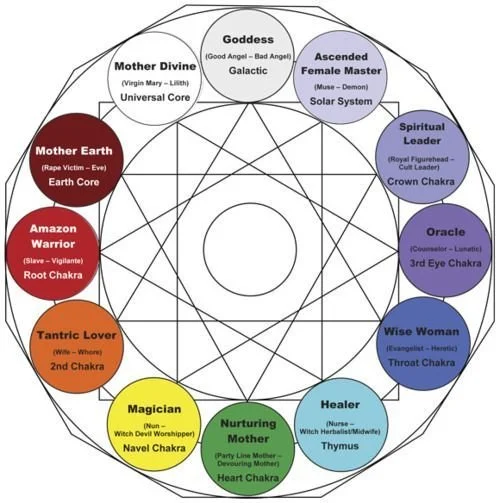
What to Expect in a Session
Starting your journey can feel intimidating, so here’s a clear and friendly picture of what a Jungian session is like.
• A Calm, Supportive Conversation- You’ll meet with me for about 45–60 minutes. The space is relaxed and respectful. You can talk about whatever feels important—your current challenges, emotions, relationships, or life history.
• Space for Dreams (If You Want)- If you remember your dreams, you’re welcome to bring them in. If you don’t—that’s completely fine. Dream work is never required.
• Exploring Your Inner World- You may be invited you to explore images, feelings, or symbols that come up. Some people like to draw, journal, or simply reflect. There is no ‘right’ way to participate.
• Understanding Patterns- Together, you might look at recurring themes in your life—like ways you respond to stress, types of relationships you attract, or inner conflicts you repeat. This can lead to clarity and new choices.
• You Set the Pace- Jungian analysis is not rushed. It unfolds at a pace that feels safe and comfortable for you. Many people find it deeply grounding and surprisingly creative.
Most importantly: your story, your voice, and your inner experience are at the centre of the work.